PRP Therapy in Naples, Florida
Physician-guided Platelet-Rich Plasma consultations for joint, tendon, ligament, and soft tissue recovery support at Sagewood Institute Florida.
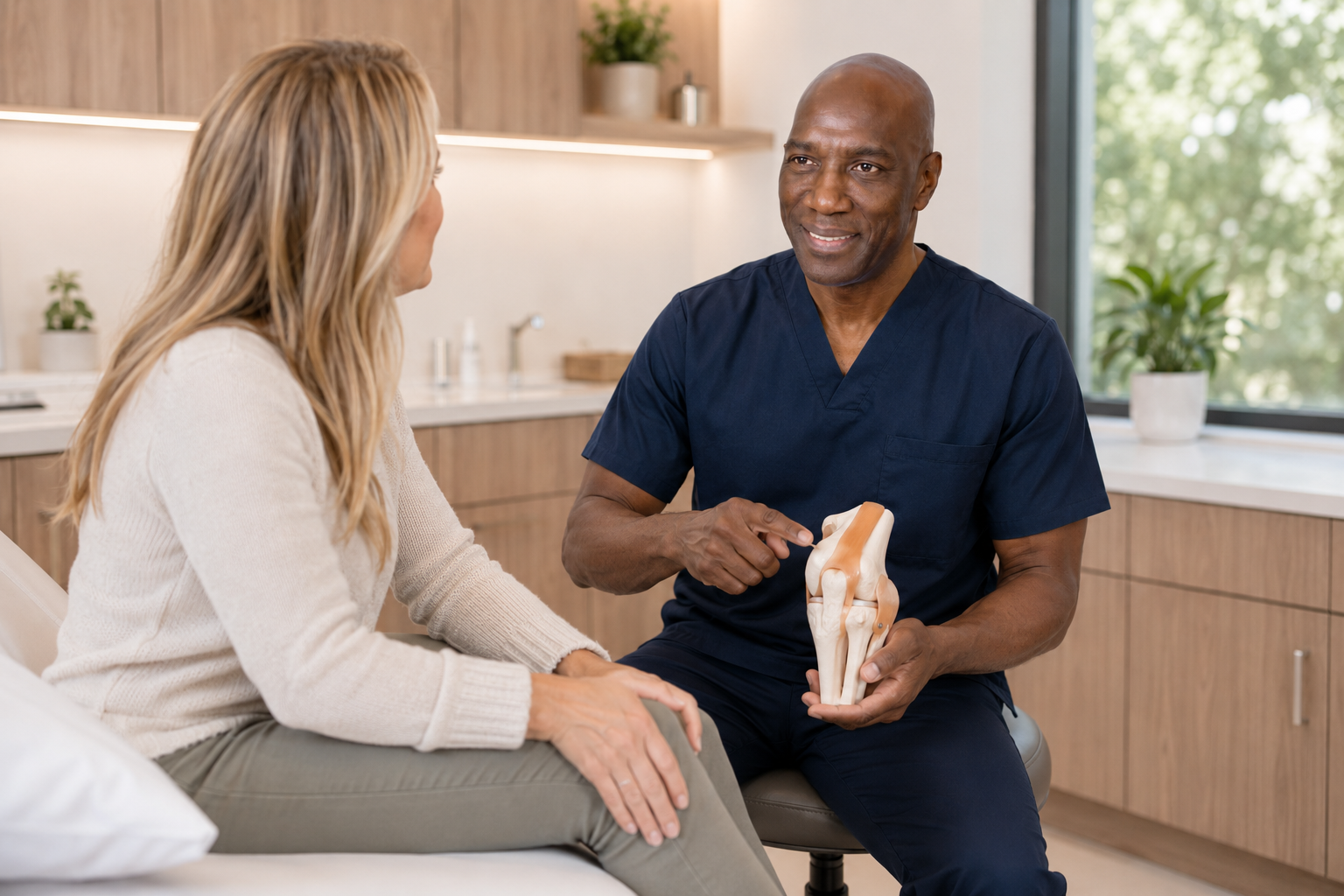
Thoughtful care for active adults and recovery-focused patients
Platelet-Rich Plasma, often called PRP, is a regenerative medicine option that may support the body’s natural healing response for certain joint, tendon, ligament, and soft tissue concerns.
At Sagewood Institute Florida in Naples, PRP therapy starts with a careful consultation. Our team reviews your symptoms, activity goals, health history, and treatment area to help determine whether PRP may be appropriate for your needs.
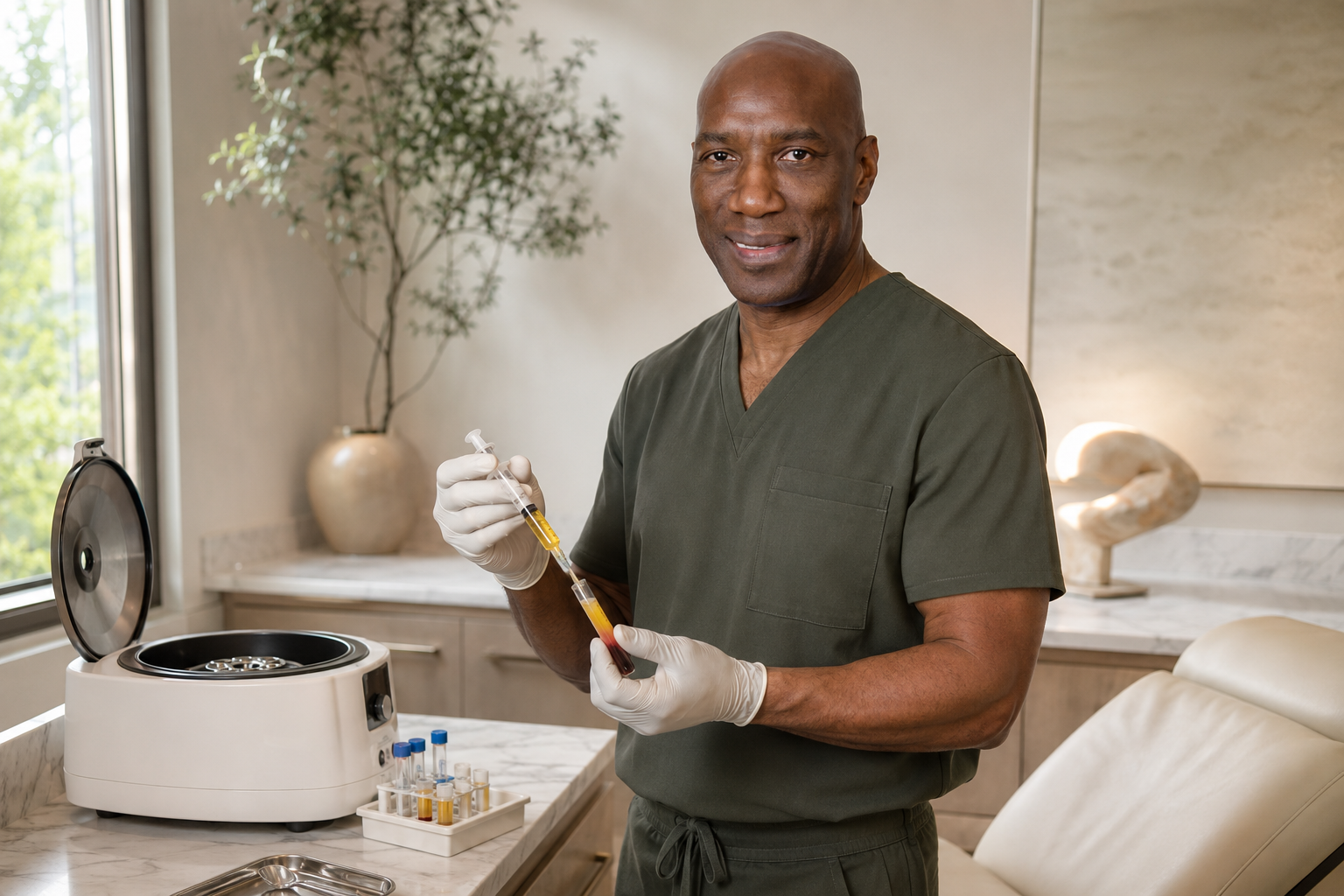
What is PRP therapy?
PRP uses a small sample of your own blood, which is processed to concentrate platelets within the plasma. That platelet-rich portion may then be used by a qualified medical provider as part of a personalized recovery plan.
Patients often ask about PRP because it is a more natural, recovery-focused option that uses components from their own body. At Sagewood, this conversation happens in a calm, professional setting where your provider can explain the process, answer questions, and discuss realistic goals.
- A small blood draw is collected and prepared for treatment.
- The treatment area is evaluated based on symptoms and goals.
- PRP may be considered as part of a broader plan for recovery support.
Why patients explore PRP in Naples
PRP is often discussed by patients who want a conservative, physician-guided option when pain, stiffness, tendon irritation, or soft tissue concerns begin to interfere with daily life and movement.
Knee support
People frequently ask about PRP for knee discomfort, activity-related irritation, or stiffness affecting walking, golf, tennis, or pickleball.
Shoulder & elbow concerns
PRP may be explored for overuse patterns or soft tissue issues connected to fitness, work, or repetitive movement.
Tendon & ligament recovery
Some patients consider PRP when tendon or ligament irritation is slowing them down or keeping them from staying active.
Soft tissue support
PRP may also be discussed as part of a wider recovery conversation for certain soft tissue concerns and movement goals.
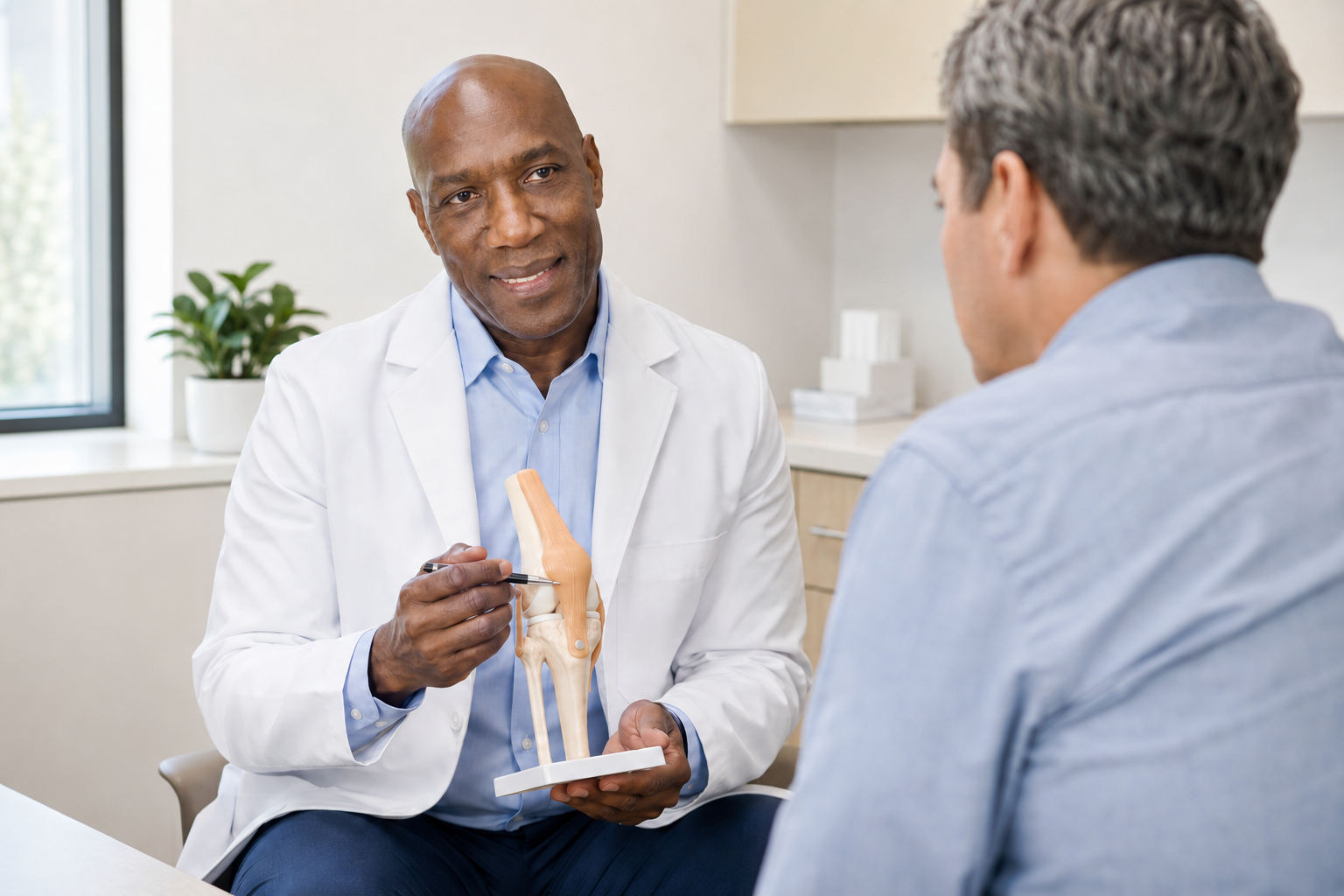
A more personalized conversation about recovery
PRP is not one-size-fits-all. The best candidates are identified through a careful medical review, discussion of goals, and an honest conversation about expected recovery.
Patients who often ask about PRP include active adults, people managing persistent joint or tendon discomfort, and individuals who want to support movement and function with a physician-guided approach. Your provider can help determine whether PRP fits your symptoms, medical history, and activity level.
Active lifestyle patients
Great for conversations with golfers, tennis players, walkers, exercisers, and adults who want to stay moving comfortably.
Recovery-minded adults
Useful when patients want to learn about regenerative options before deciding on the next step in their care plan.
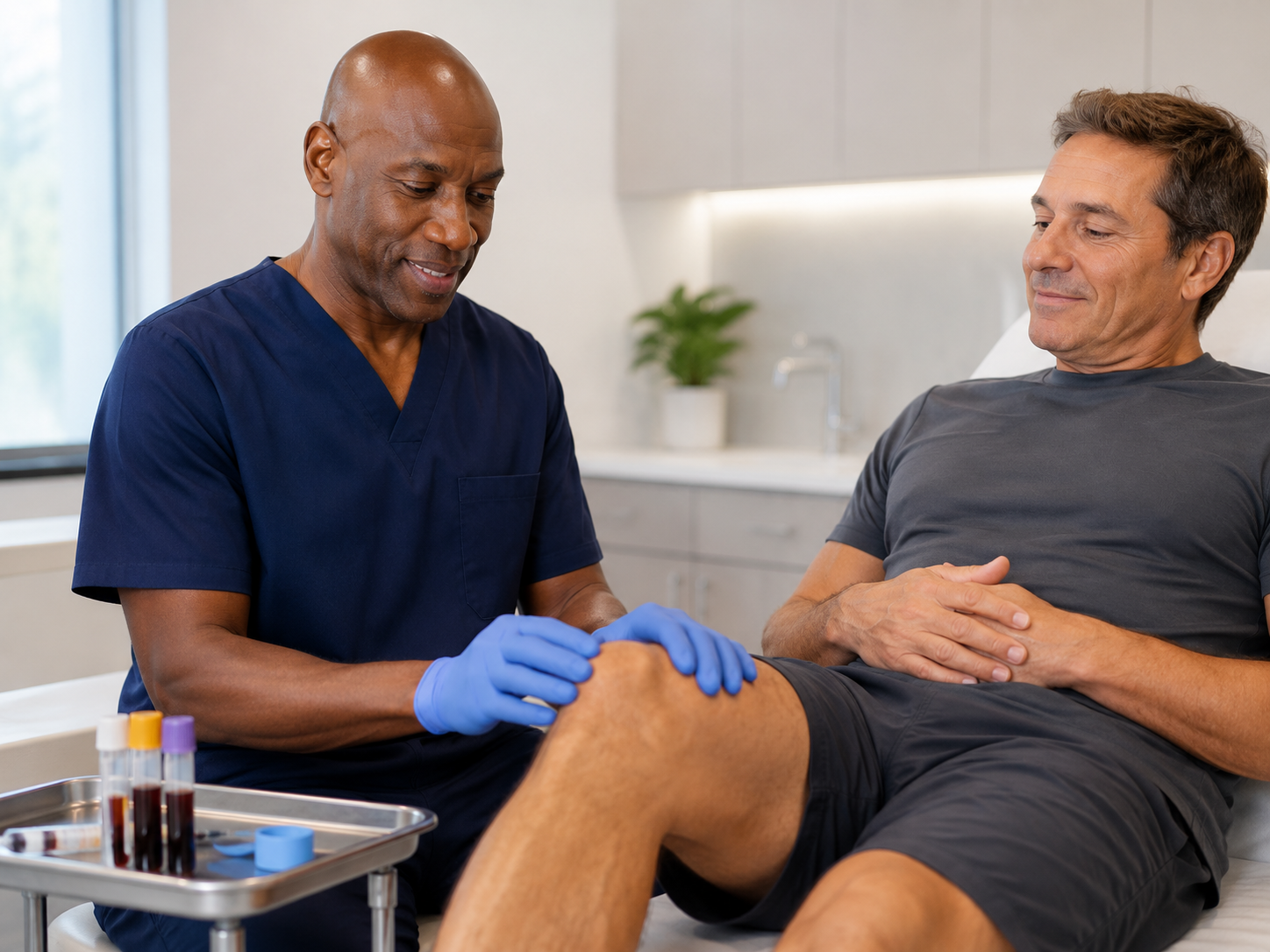
Your PRP consultation step by step
A PRP visit starts with listening. The goal is to understand your symptoms, answer questions, and decide whether PRP belongs in your care plan.
Medical review
Your provider reviews your symptoms, activity level, prior injuries, treatment history, and current goals.
Personalized recommendation
If PRP may be appropriate, the process, timing, aftercare, and recovery expectations are explained clearly.
Supportive follow-up
You receive guidance on recovery, activity, and how PRP may fit into a larger wellness or movement plan.
PRP therapy FAQs
Answers to common questions from patients researching PRP therapy in Naples, Florida.
What does PRP stand for?
PRP stands for Platelet-Rich Plasma. It is prepared from your own blood and contains concentrated platelets involved in the body’s natural repair process.
What areas can PRP be used for?
Patients commonly ask about PRP for knees, shoulders, hips, elbows, tendons, ligaments, and other soft tissue concerns. A provider must determine if it is appropriate.
How long does PRP take to work?
Recovery timelines vary. Some people feel soreness after treatment, and meaningful improvement can take several weeks or longer depending on the condition and the individual.
How do I schedule a PRP consultation?
You can call +1.239.434.9710 or visit our appointments page to request a consultation with Sagewood Institute Florida.
Learn more about PRP
Want a deeper educational overview before scheduling?
Read our patient-friendly insight article on PRP therapy, joint recovery, soft tissue support, and how regenerative medicine may fit into a broader recovery plan.
Ready to talk?
Schedule a consultation with Sagewood Institute Florida in Naples to discuss your symptoms, goals, and treatment options.
© Sagewood Institute Florida | Privacy | Terms | Copyright
Website by Lucid Logo